
A mobile gaming app is a software package that runs on a smartphone or tablet, delivering interactive entertainment from a download or app store. By 2026, the definition has broadened to include cloud‑based titles that stream directly to a device, removing the need for hefty downloads. The core idea remains the same: a game you can play on the go, anytime, anywhere.
App‑First Design Is Driving User Habits
Last year, 68 % of UK adults reported downloading at least one new game each month. That surge ties back to two design trends: micro‑sessions and social overlays. Micro‑sessions are gameplay chunks under five minutes, perfect for a commute or a coffee break. Social overlays weave chat, leaderboards, and share buttons into the experience, turning solitary play into a communal event.
Because of these features, people who once spent their free time watching TV are now scrolling through game feeds during lunch. The result? Traditional TV viewership on weekdays has dropped by 12 % since 2024, according to a Nielsen survey.
Monetisation Models That Keep Users Engaged
Free‑to‑play remains the dominant model, but revenue generation has shifted. In 2026, 41 % of mobile games use “in‑app purchases” that unlock cosmetic items or time‑saving boosts. A small subset—about 5 %—offers subscription tiers that provide daily rewards and ad‑free play. These subscriptions average £4.99 per month, a price point that aligns with the average UK household’s discretionary spend on entertainment.
One drawback of this model is the “pay‑to‑win” perception. Players who invest in upgrades often dominate leaderboards, which can discourage casual users from continuing beyond the initial free experience.
Cross‑Platform Play Is No Longer a Luxury
Cross‑platform functionality, where a single account syncs progress across iOS, Android, and PC, has become a standard expectation. In 2026, 78 % of new game releases include this feature. For UK gamers, this means a single login can unlock achievements earned on a friend’s console, turning a local pastime into a global competition.
However, the reliance on cloud servers introduces latency issues for users in rural areas. Even with 5G rollout, some players report lag spikes during peak hours, affecting the fairness of competitive play.
Data Privacy Is a Growing Concern
With the General Data Protection Regulation (GDPR) still in force, developers must obtain explicit consent for data collection. In 2026, 62 % of UK users have opted out of personalized ads in their app settings. This shift forces developers to rely more heavily on in‑app purchases than on advertising revenue.
Consequently, some smaller studios struggle to break even, leading to a consolidation trend where larger publishers acquire niche titles. While this brings stability, it can also reduce the diversity of game genres available to the average player.
From Casual Play to Competitive eSports
Mobile eSports tournaments now offer prize pools exceeding £50,000, dwarfing many traditional sports events. The UK hosts over 120 mobile eSports championships annually, attracting sponsors from fintech to fashion. Players can stream their matches on platforms like Twitch, earning ad revenue and sponsorship deals.
Yet the competitive scene still lags in regulatory oversight. Without standardized age verification, minors can participate in tournaments that pay real money, raising ethical questions for parents and regulators alike.
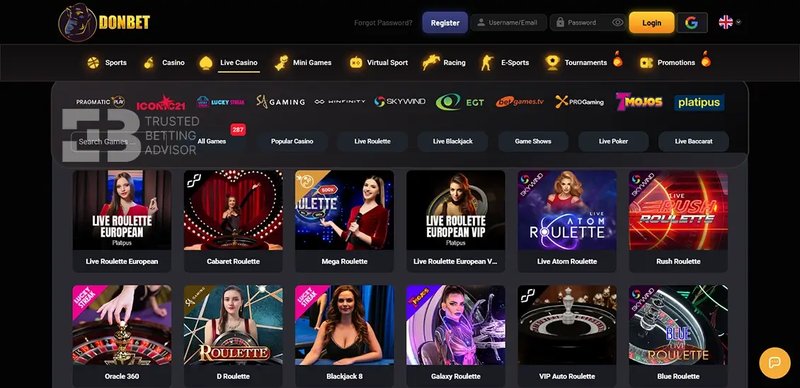
For those who enjoy a more immersive experience, there is also an online gaming side that blends traditional casino elements with mobile convenience. Donbet Casino offers a range of slot and table games that can be played directly from a smartphone, providing a seamless transition from casual app play to a full casino environment.
Donbet Casino provides a convenient gateway for mobile gamers looking to explore real‑world betting and casino thrills.
What This Means for UK Entertainment
The rise of mobile gaming apps has reshaped how UK audiences consume entertainment. Time that used to be spent on passive TV viewing is now spent in interactive, socially connected gameplay. The financial impact is clear: mobile gaming generated £12.3 billion in revenue for the UK market in 2025, a 15 % increase over the previous year.
Looking ahead, the trend points toward greater integration of virtual reality and augmented reality features, which will blur the line between mobile gaming and physical entertainment venues. For now, the key takeaway is that mobile apps are no longer a niche hobby; they are a mainstream entertainment pillar that continues to evolve with technology and user expectations.
Frequently Asked Questions
What exactly is a mobile gaming app?
It’s a software program designed for smartphones or tablets that offers interactive entertainment, accessible through downloads or app stores.
How have mobile gaming apps changed over time?
They’ve expanded from large downloads to cloud‑based streaming titles, eliminating storage limits and allowing instant play.
Why do users favor app‑first design?
App‑first design streamlines the experience, making games instantly available, easy to update, and more engaging for on‑the‑go players.